
International Women’s Day: The Unsung Women Who Changed Our Skies and Our Minds
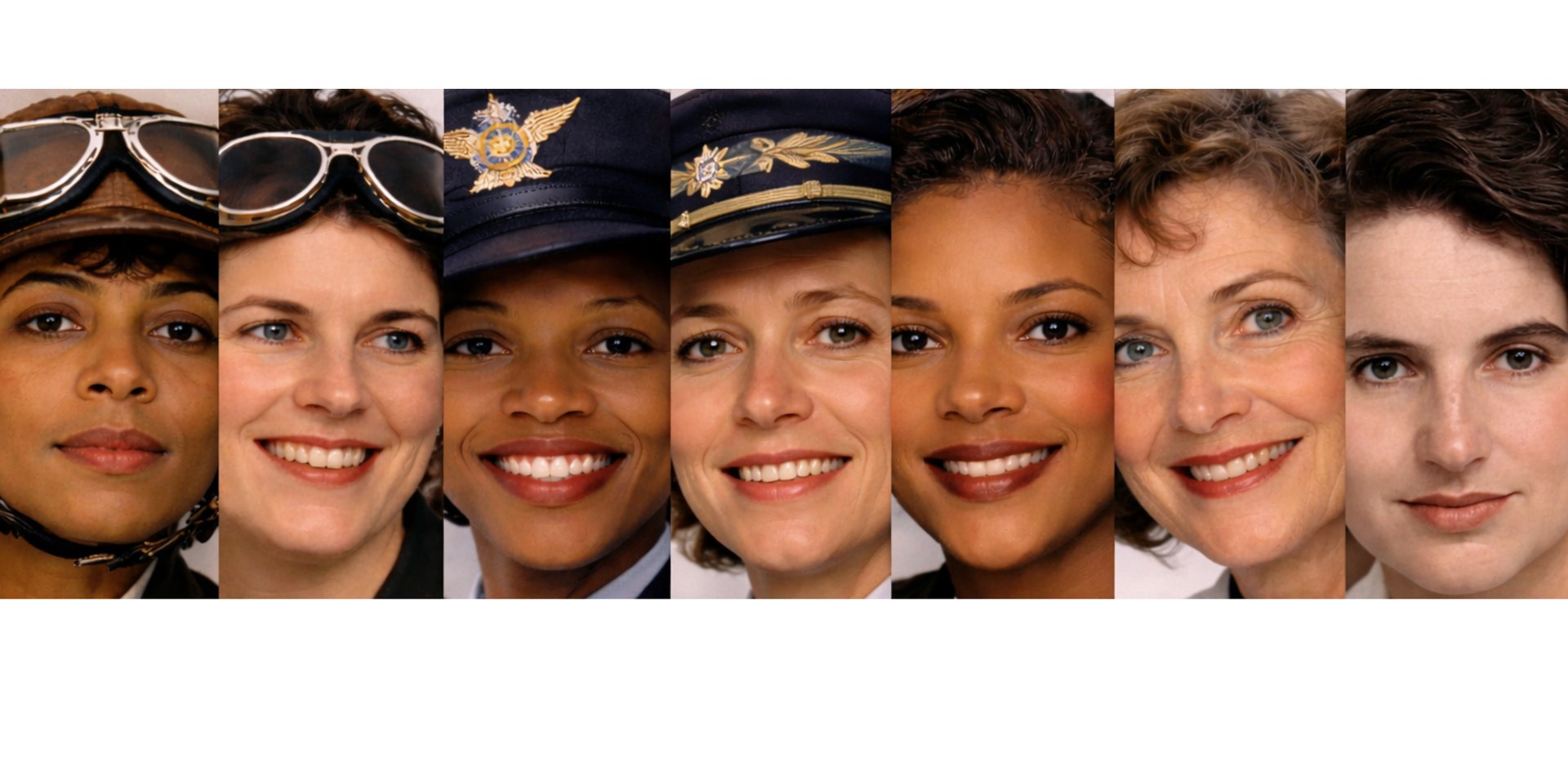
Every year on International Women’s Day (8th March), we celebrate achievement, resilience, and progress. But beyond the household names and headline-makers, there are women whose stories rarely make it into textbooks — women whose work quietly reshaped industries, saved lives, and changed the way we understand both the world above us and the world within us.
This year, we shine a light not only on pioneers in aviation and psychology, but on the often-overlooked women whose determination and intellect pushed boundaries in fields historically dominated by men.
Because innovation does not happen in isolation. It happens when courage meets opportunity — and these women created both.
Women Who Took to the Skies — And Changed Aviation Forever
Bessie Coleman — Refusing to Be Grounded
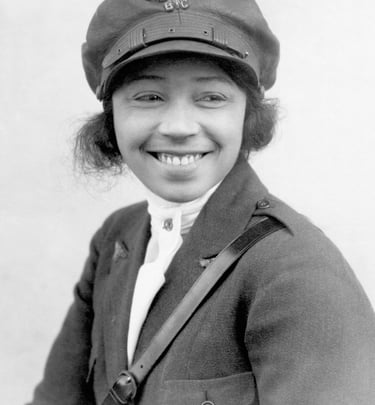
Before she ever sat in a cockpit, Bessie Coleman was told “no” — repeatedly.
Denied entry to American flight schools in the early 1900s because she was both Black and a woman, she did something extraordinary: she learned French, moved to France, and earned her pilot’s license in 1921. She became the first African American woman pilot in the world.
But her story is not just one of aviation; it’s one of access. Coleman refused to perform at air shows unless audiences were integrated — a radical stance at the time. She understood that visibility mattered.
Her life was tragically short, but her impact was immense. She didn’t just fly — she lifted others with her.
Elsie MacGill — Engineering Against the Odds
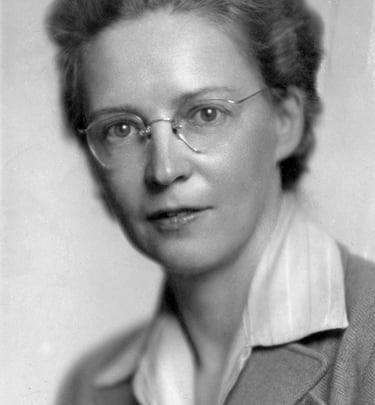
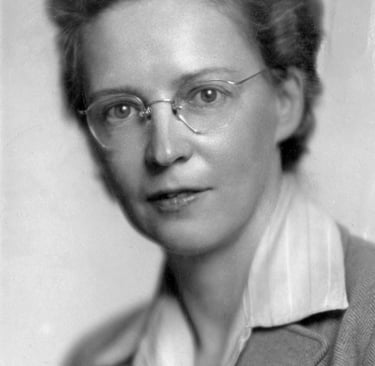
Often called the “Queen of the Hurricanes,” Elsie MacGill became the first woman in the world to earn a master’s degree in aeronautical engineering.
During World War II, she oversaw the production of the Hawker Hurricane fighter aircraft in Canada. Under her leadership, hundreds of aircraft were produced — including winterized adaptations critical for harsh climates.
What makes her story even more powerful? She accomplished all of this after contracting polio and being told she would never walk again.
MacGill later became a prominent advocate for women’s rights. She believed technical excellence and social justice were not separate pursuits — and she lived that belief.
Willa Brown — Training the Future
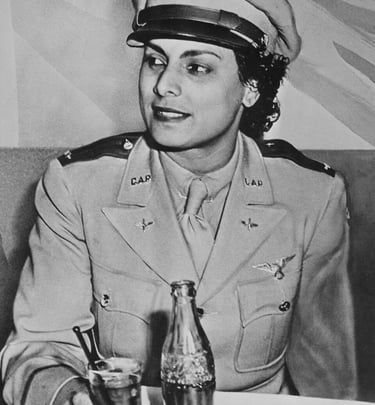
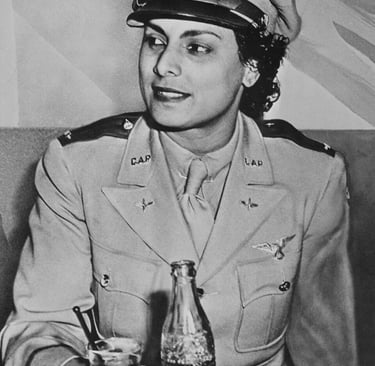
Willa Brown was not only a pilot — she was a teacher, recruiter, and relentless advocate.
She helped train the Tuskegee Airmen, becoming one of the first African American women in the Civil Air Patrol. Brown understood that systemic change required education. She founded flight schools, mentored young aviators, and worked to open doors that had long been sealed shut.
Her legacy lives not only in aviation history, but in every pilot who followed because someone believed in them first.
Lynn Barton — Breaking the Sound Barrier of Expectation
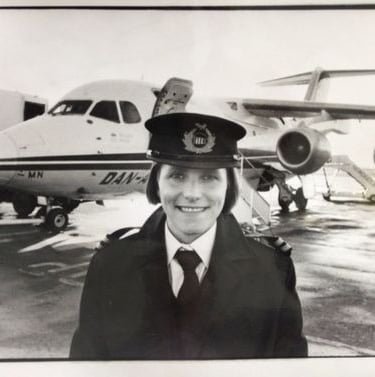
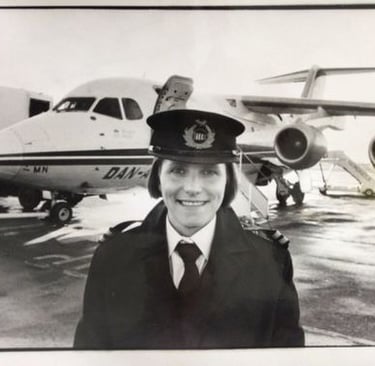
Lynn Barton made history in 1987 when she became the first female pilot employed by British Airways.
At a time when commercial flight decks were overwhelmingly male, Barton stepped into the cockpit of long-haul aircraft and demonstrated that competence and leadership know no gender. She later became a Captain in 1996 and was selected to operate the first scheduled British Airways service into Heathrow’s Terminal 5 in 2008 — a symbolic recognition of her role in reshaping the airline’s culture.
What makes her achievement particularly significant is not just that she was “the first,” but that she helped normalise the presence of women in commercial aviation, opening doors for those who followed.
Her career stands as a powerful example of how persistence, professionalism and quiet confidence can transform an industry from within.
Women Who Mapped the Human Mind
Mamie Phipps Clark — The Science That Helped Change the Law
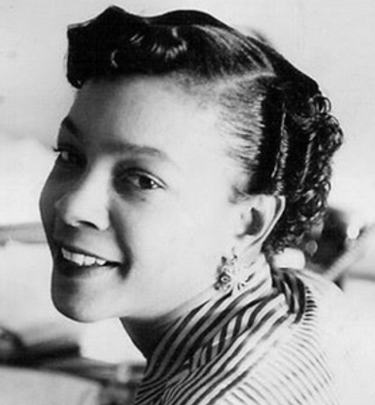
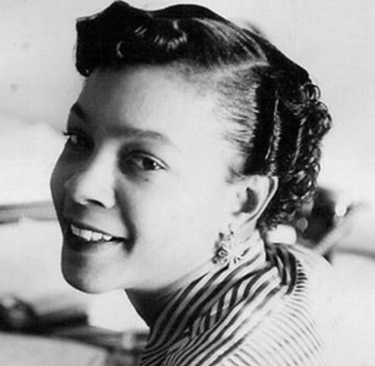
Mamie Phipps Clark’s research helped dismantle racial segregation in the United States.
Her famous “doll experiments” revealed the psychological impact of segregation on Black children. The findings were cited in the landmark 1954 Supreme Court decision Brown v. Board of Education.
Clark was the first Black woman to earn a doctorate in psychology from Columbia University. Yet her work was frequently overshadowed by her male counterparts.
She didn’t just conduct research — she used psychology as a tool for justice.
Karen Horney — Redefining Human Motivation

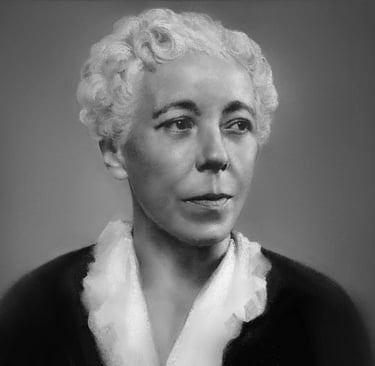
In an era when psychoanalysis was dominated by rigid Freudian theory, Karen Horney challenged prevailing ideas about women’s psychology.
She rejected the concept of “penis envy” and instead introduced ideas about social and cultural influences on personality development. Her work paved the way for feminist psychology and reshaped discussions around anxiety and interpersonal relationships.
Horney’s courage was intellectual. She questioned authority when questioning authority was not welcome.
Brenda Milner — Unlocking Memory
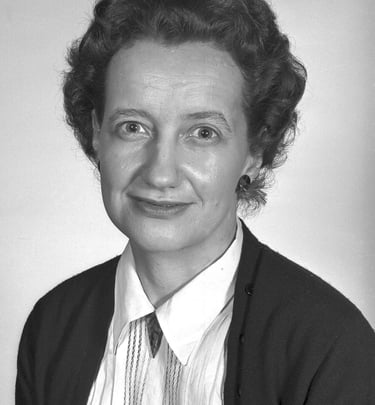
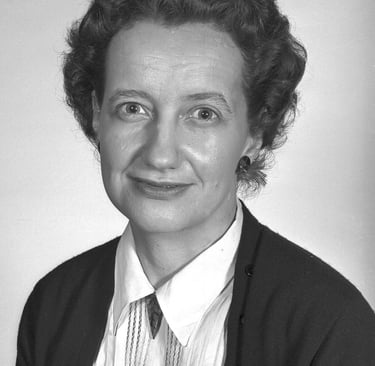
Brenda Milner’s groundbreaking work with patient H.M. transformed our understanding of memory.
Her research demonstrated that different types of memory are stored in different areas of the brain — a discovery that laid the foundation for modern cognitive neuroscience.
In a time when laboratory science was overwhelmingly male, Milner quietly produced some of the most influential findings in psychological science.
Rosalind Franklin — The Image That Changed Science
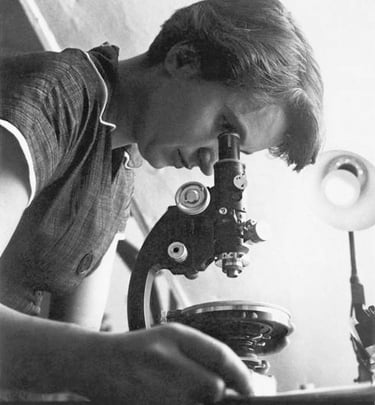
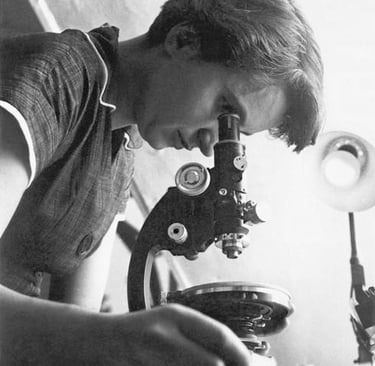
Rosalind Franklin was a chemist and expert X-ray crystallographer whose meticulous research played a pivotal role in revealing the structure of DNA.
In the early 1950s, working at King’s College London, she produced the now-famous “Photograph 51,” an X-ray diffraction image that provided crucial evidence of DNA’s double-helix structure. Her data significantly informed the model later published by Watson and Crick.
What makes her story especially powerful is that her contribution was not fully recognised during her lifetime. Franklin died in 1958 at just 37 years old, four years before the Nobel Prize was awarded for the discovery.
Today, she is rightly acknowledged as one of the key scientific minds behind one of the most important breakthroughs in modern biology — a reminder that precision, patience and intellectual rigour can quietly change the course of history.
The Pattern We Must Notice
Across both aviation and psychology, a pattern emerges. The barriers these women faced were not incidental — they were systemic. Recognition was uneven, often delayed or diminished. Progress demanded more than technical expertise; it required resilience, courage and an unshakeable belief in their own capability.
These women were not simply “firsts.” They were builders of infrastructure — shaping educational systems, strengthening research foundations and influencing social movements that extended far beyond their own careers. Their achievements were forged in environments marked by exclusion from institutions, limited funding, cultural resistance, a lack of mentorship and, often, intense public scrutiny.
Yet they persisted.
Why Their Stories Matter Now
International Women’s Day is not only about celebrating achievement; it is about examining opportunity.
In aviation today, women still represent a small percentage of commercial pilots and aerospace engineers. In psychology and wider STEM fields, leadership representation remains uneven. The landscape has shifted, but it is not yet level.
What has changed, however, is the conversation. It has moved from questioning whether women can lead in these fields to asking how we ensure equal access, equal recognition and equal progression. That shift did not happen by accident. It happened because women before us refused to accept imposed limitations.
The Power of Visibility
There is something transformative about seeing someone who looks like you succeed in a space you aspire to enter. Representation does not simply reflect ambition — it fuels it.
When Bessie Coleman took to the skies, she could not have known the scale of her influence. When Mamie Clark conducted her research, she could not have foreseen its societal impact. When Elsie MacGill supervised aircraft production, she was focused on engineering excellence, not symbolism.
Yet symbolism followed.
Their achievements remind us that innovation thrives when diversity is embedded in its foundation rather than added as an afterthought.
The Unsung Heroes Among Us
Not every brilliant woman becomes a headline. Many shape industries quietly.
They are the engineers refining processes behind the scenes. The psychologists working with vulnerable communities long after public attention has moved on. The mentors who encourage confidence in others without ever seeking recognition themselves.
International Women’s Day offers a moment to recognise the colleague who leads with quiet competence, the student pushing through unseen barriers, the researcher whose contribution sits buried in footnotes and the young girl who has not yet realised her potential.
Progress is cumulative. Every contribution matters.
Looking Forward
The future of aviation will be defined by innovation — sustainability, automation, advanced materials and AI integration. The future of psychology will depend on deeper understanding — expanding access to mental health support, advancing neuroscience and embedding culturally informed practice.
Both industries require diverse perspectives if they are to evolve responsibly and intelligently.
History shows us that when women are fully included, industries move forward more ethically, more creatively and more effectively. International Women’s Day, therefore, is not simply about reflection. It is about continuation — ensuring that the next generation of girls who look to the skies, or into the complexities of the human mind, encounter possibility rather than limitation.
A Final Thought
Brilliance does not always announce itself.
Sometimes it studies late into the night. Sometimes it crosses oceans in search of opportunity. Sometimes it challenges established theory or builds aircraft in winter conditions others thought impossible.
Sometimes, it simply refuses to give up.
This International Women’s Day, let us celebrate not only the famous, but the fearless. Not only the pioneers, but the persistent. Not only the recognised, but the remarkable — whether history records their names prominently or not.
Because the world moves forward on the strength of women who dare to think differently — and dare to act on it.
Join the conversation
We welcome thoughtful responses to this blog post. If you have reflections, perspectives, or questions about the ideas discussed here, please feel free to share them in the comments below. Relevant resources, research, or links that add to the discussion are also welcome.
Comments are moderated to ensure discussion remains respectful and relevant. Please avoid sharing personal or confidential information.